
Who Knew? All This Time I’d Been Sleeping “Wrong.”

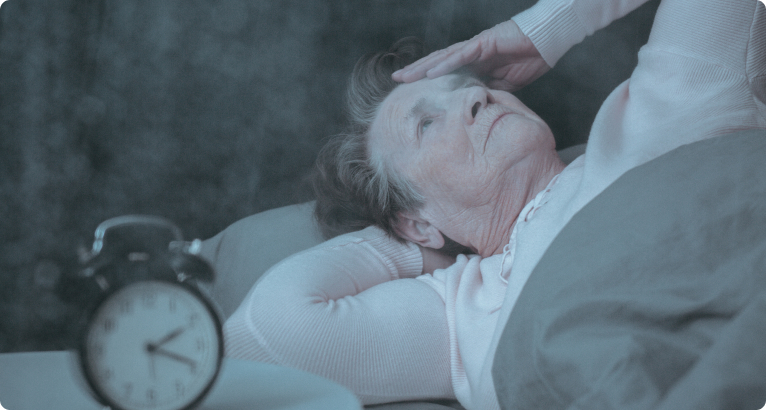
Can you tell the difference between eight hours of sleep and eight hours of good sleep? I’m starting to think I can. For a long time, I believed everyone needed eight hours a night. But recently, I read that the CDC recommends seven. Well, seven hours “for the best health and wellbeing.”
But the key difference is good sleep versus “tossing, turning, sweating, waking up all the time” sleep. That’s the difference that makes eight hours of sleep feel like a good night’s rest — or a lousy nap.
I’ve certainly done my share of tossing and turning. Turns out, I’m not alone. According to the CDC, 35% of adults experience “short sleep,” which means less than seven hours a night. It’s more than feeling groggy. Not getting enough sleep increases your risk of chronic conditions like diabetes, obesity, and more.
Then (as I’m far too familiar with) chronic conditions can also impact your sleep. It took time to make this connection, but once I’d made it, I could start figuring out how to make the sleep I did get, better sleep. That’s why I’ve started tracking my sleep, the way I track my diet.
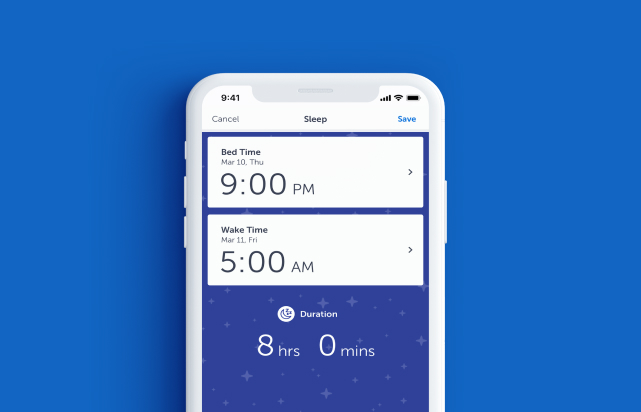
For me, digital health has been the answer. The solution I use is called BlueStar®*. I try to be consistent about it – same time, every day. You can do it manually, like I do, or you can pair it with your fitness tracker. Either way, you’ll start to notice a huge difference.
And it’s a whole lot more than a tracker. I can look at my exercise, my diet, my health data, and I can make connections to what does -and doesn’t- lead to great Z’s. And spoiler alert. As you can guess, everything is related.

All sleep isn’t created equal. Keeping notes on my sleep, along with notes about what I eat and how I exercise, helps me see the big picture and keep my health in focus, so I can rest easy.
Featuring
Additional Resources
View All Resources
How States Can Strengthen Their RHTP Plans and Compete for the Competitive Funding

Workplace Safety During COVID-19

White Paper: Beyond Medication, Engagement as a Breakthrough Therapy
Discover the future of chronic care management
.png)
.avif)